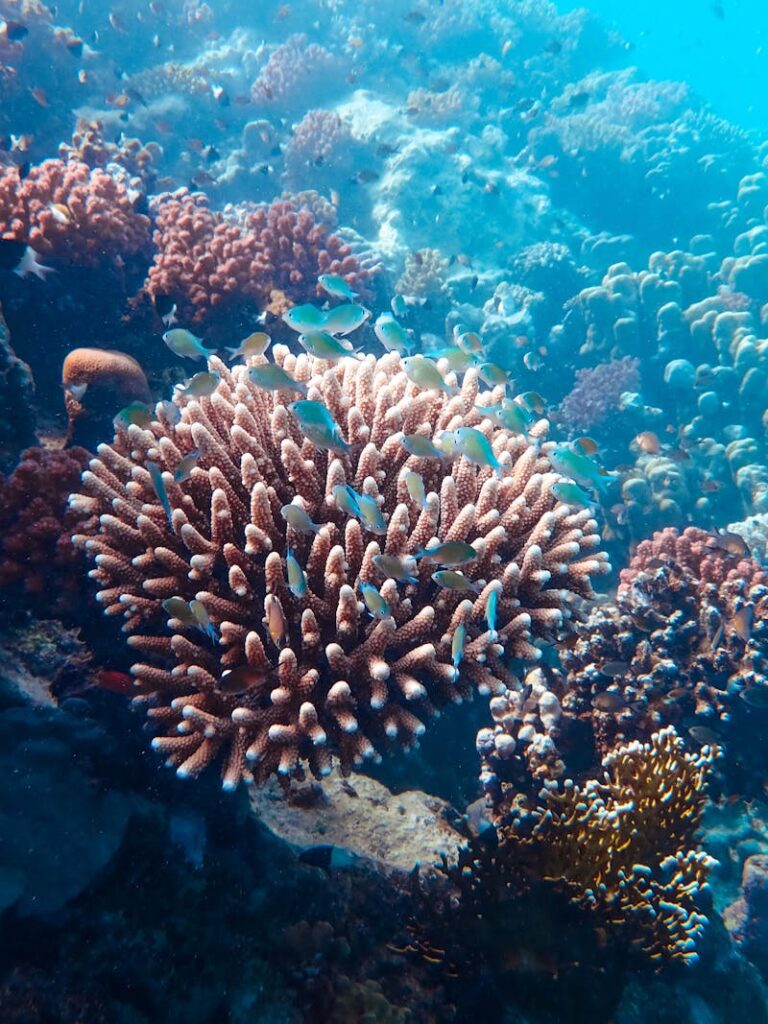
As ocean temperatures rise and chemistry changes, marine scientists are documenting profound shifts in ocean ecosystems. Understanding these changes is crucial for developing effective conservation strategies.
Rising Temperatures
The ocean has absorbed over 90% of the excess heat from greenhouse gas emissions. Ocean heat content has increased dramatically, with 2024 setting yet another record. This warming affects everything from plankton productivity to fish migration patterns.
Shifting Species Ranges
Many marine species are moving toward the poles in search of cooler water. Tropical fish are appearing in temperate zones, while cold-water species are losing habitat. This reshuffling of marine communities has cascading effects throughout food webs.
Coral Bleaching Events
Mass coral bleaching events, once rare, are now occurring every few years. When water temperatures rise too high, corals expel their symbiotic algae, turning white and often dying. Our restoration programs focus on propagating heat-tolerant coral strains.
Marine Heatwaves
Extended periods of unusually warm water – marine heatwaves – are becoming more frequent and intense. These events can devastate kelp forests, cause mass die-offs, and disrupt entire marine ecosystems for years.
Our Response
We are expanding our research to understand climate impacts and identify resilient ecosystems. Our policy work advocates for aggressive emissions reductions and investments in ocean-based climate solutions.