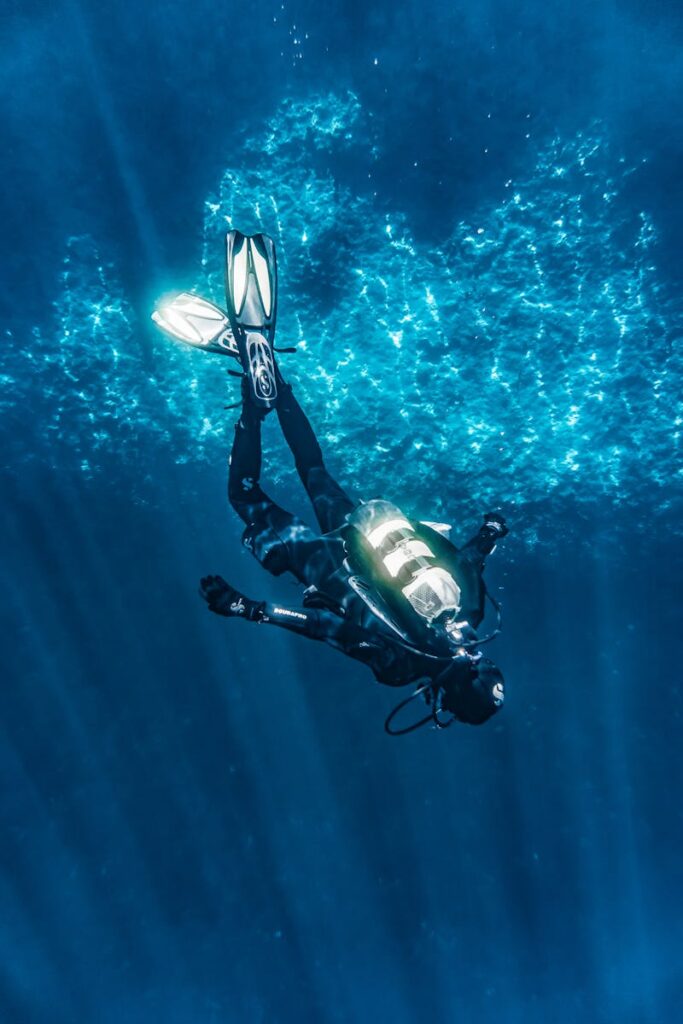
What does it take to protect a marine sanctuary? Join us on a typical patrol day with our marine protected area enforcement team to see the challenges and rewards of frontline ocean conservation.
5:30 AM – Pre-Dawn Briefing
The day starts early. Patrol coordinator Miguel Rivera reviews overnight satellite data showing vessel activity in the sanctuary. Two fishing boats were detected in restricted zones overnight – they will need to investigate.
7:00 AM – Launch
The patrol vessel heads out into calm morning waters. The team includes two rangers, a marine biologist documenting wildlife sightings, and a drone operator. Their patrol route covers 200 square kilometers.
9:30 AM – First Contact
They approach a fishing vessel near the boundary. After checking permits, they find the captain is in compliance but unaware of recent boundary adjustments. The team provides updated charts and educational materials.
12:00 PM – Monitoring Station Check
The team stops at an underwater monitoring station to download data from sensors tracking water temperature, pH, and dissolved oxygen. This data feeds into our research programs.
3:00 PM – Illegal Activity Detected
The drone spots a vessel deploying illegal gill nets. The team documents the violation and coordinates with coast guard for enforcement action. These nets are particularly harmful to sea turtles and dolphins.
5:30 PM – Return to Port
After 12 hours on the water, the team returns to file reports, maintain equipment, and prepare for tomorrow. Protecting the ocean is challenging work, but every patrol makes a difference.
Support our patrol teams with a donation. Every dollar helps keep protected areas safe.